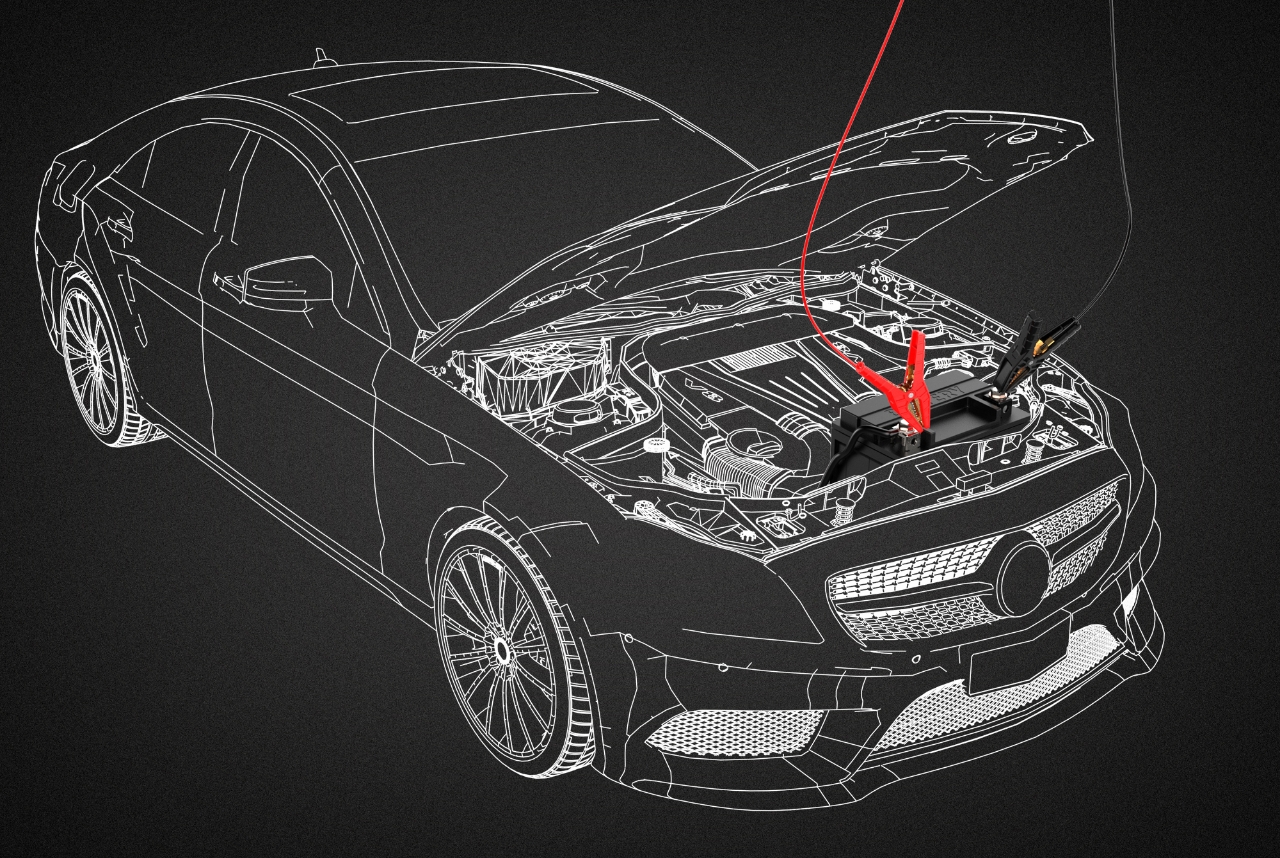

JUMP STARTER
MULTI-FUNCTIONAL&
12V/24VJOIN US,BE ONE OF OUR GLOBAL AGENTS!
MULTI-FUNCTIONAL&
12V/24VEver Wondered What That Mysterious Boost Button Does?
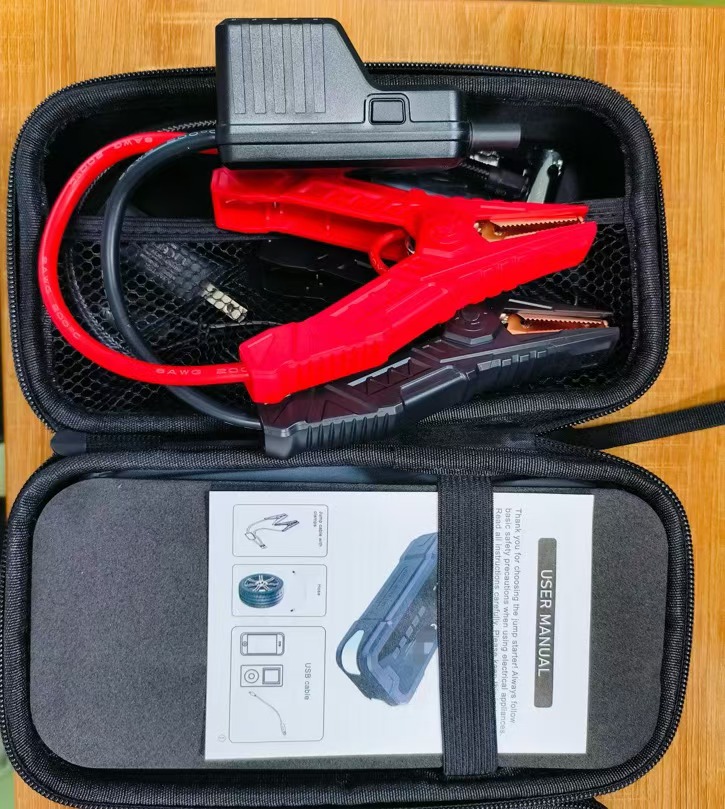
If you’ve ever found yourself in a frustrating car battery emergency, you might have noticed a “Boost” or “Force Start” button on your portable jump starter. But, what exactly does it do? And more importantly, should you use it? This guide dives into the details, giving you the pros and cons of using the boost feature and explaining when and how to safely press that button to revive a completely drained battery.
What is the Boost Button, and Why is it Important?
The Boost Button, also called Force Start, is a feature on many advanced portable jump starters. It allows you to deliver an extra surge of power to a vehicle’s battery—especially useful when dealing with batteries that are entirely dead or below a voltage level that a standard jump would not activate. This function can help bypass safety sensors and kick-start the vehicle, making it invaluable in emergencies.
Pros of Using the Boost Button
1. Instant Power for Dead Batteries: The boost function can bring a car with a fully drained battery back to life, especially useful in critical situations when you can’t wait for a slow charge.
2. Saves Time: Rather than waiting for roadside assistance, the boost button provides an immediate solution, allowing you to get on your way faster.
3. Versatile for Extreme Weather: Cold weather often drains battery power. The boost function helps ensure your car starts even in sub-zero temperatures, giving you peace of mind in winter months.
4. Empowers Self-Reliance: With the boost button, you don’t need a second vehicle or extra cables. You’re equipped to handle emergencies independently, making you more self-sufficient on the road.
The Cons of Using the Boost Button
1. Battery Health Risks: Frequent use of the boost button on a single battery can lead to accelerated wear, shortening your battery’s lifespan over time. Use sparingly to avoid unintended damage.
2. Potential Overheating: The surge of power from a forced start can sometimes cause overheating. This isn’t usually a problem if the device is used correctly, but improper use could lead to device failure.
3. Lack of Voltage Detection: The boost button overrides the jump starter’s built-in safety features, which means it won’t detect reverse polarity or faulty connections. Ensure all connections are correct before using boost.
Step-by-Step Guide to Safely Using the Boost Button
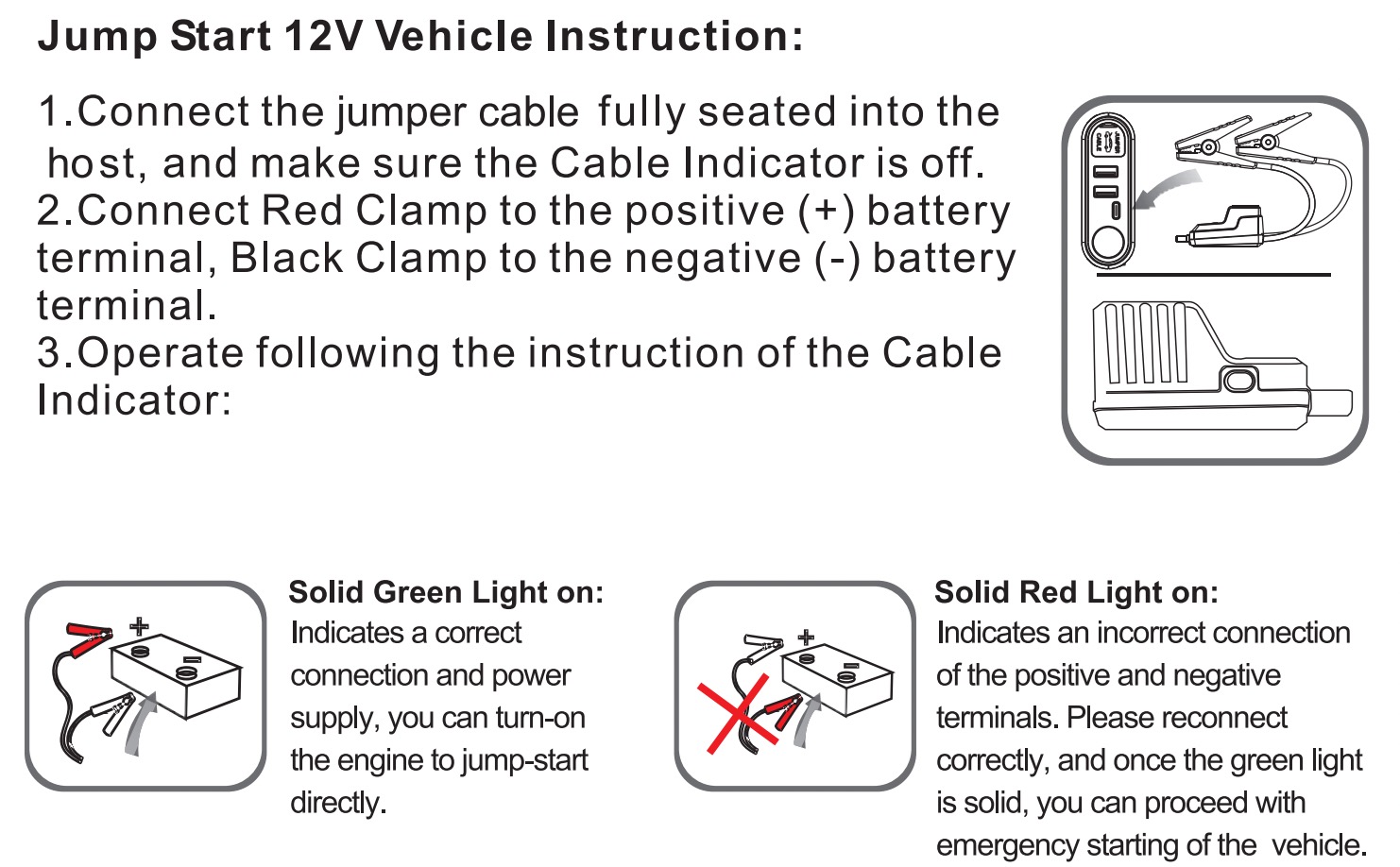
1. Ensure Proper Connection: Attach the clamps securely to the correct battery terminals (red to positive, black to negative).
2. Activate Boost Mode: Once securely connected, press the boost button to send the initial surge of power to your battery.
3. Try Starting the Vehicle: With the boost engaged, turn on your ignition. If the car starts, you’re ready to go!
4. Disconnect Carefully: Once the engine is running, remove the jump starter clamps from the battery in the reverse order you attached them.
5. Avoid Repeat Boosts in a Short Period: Using the boost function multiple times within a short timeframe can overheat your jump starter. Wait a few minutes between each boost attempt, if needed.

When and How Often Should You Use Boost?
The boost button is your go-to in emergencies, but it’s best to use it sparingly. If you find yourself relying on it frequently, your car battery may need professional assessment or replacement. Keeping the boost button for critical situations can help you maximize the longevity of both your car battery and jump starter.
Got more questions on using your jump starter safely? Feel free to reach out! We’re here to help with any of your jump-starting and battery maintenance needs.